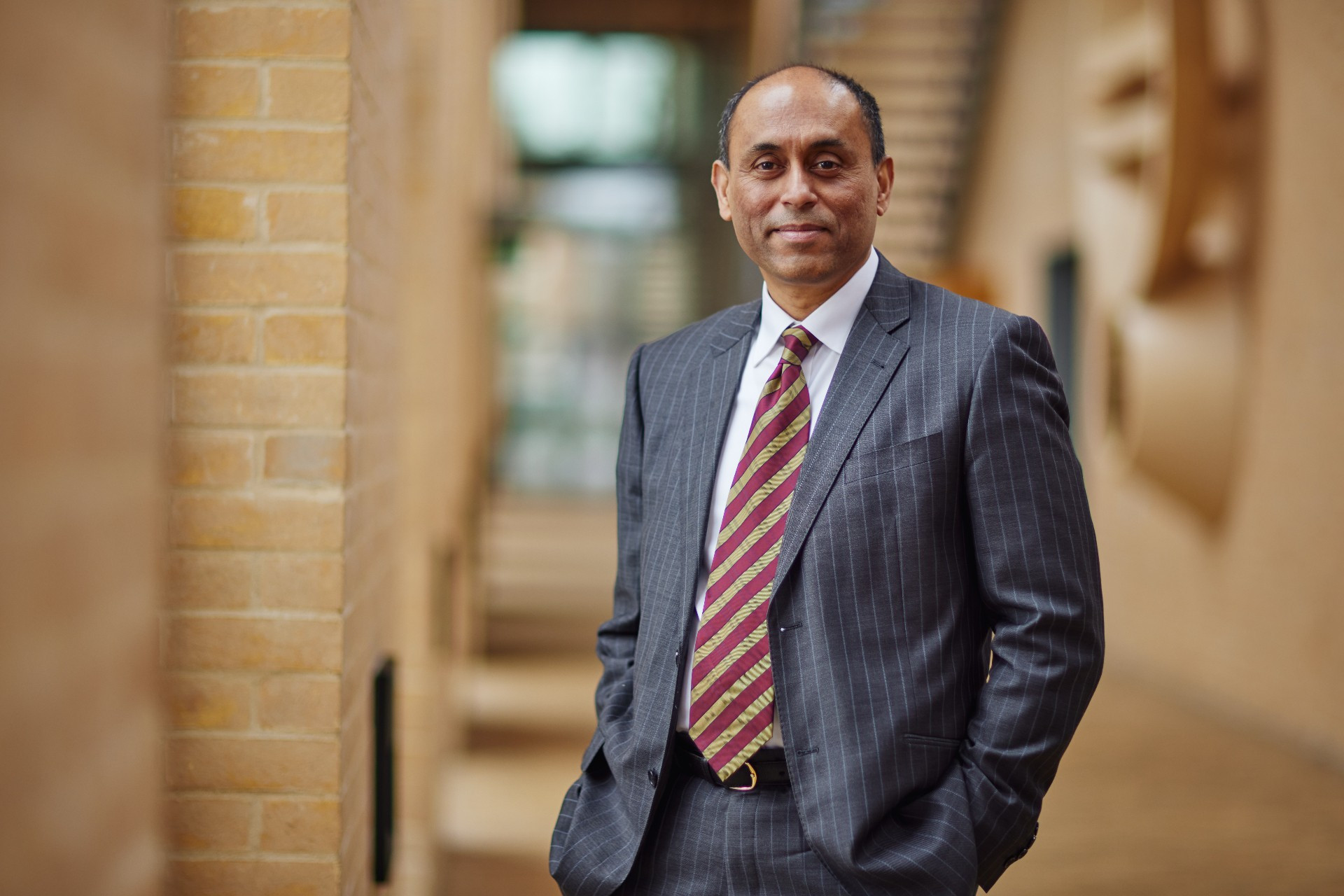
Soumitra Dutta Oxford Dean (Former)
How Soumitra Dutta envisages the future of education
For most of modern history, education of good quality has been scarce. All the best teaching‚ all the best institutions‚ all the best outcomes‚ tended to cluster in a few places‚ for a few people․
Gurugram, Haryana, 122002, India
Email:
Frequently Asked Questions
-
How do I create an account?
Click on the 'Sign Up' button at the top right corner and fill in your details to create an account.
Can I submit my own articles?
Absolutely! Once you have an account, you can start writing and submitting your articles through our editor.
Is there a fee to join?
No, joining My Business is completely free. Enjoy reading and writing without any charges.
Where are you located?
We are located at Gurugram, Haryana, 122002, India. Please visit our Contact Us page for more details and directions.
Do you offer custom solutions?
Yes, we specialize in providing customized solutions to meet the unique needs of our clients. Contact us to discuss your requirements.
Soumitra Dutta believes this is going to change.
Soumitra Dutta Oxford Dean (Former) was trained as a computer scientist at the University of California‚ Berkeley in the late 1980s/early 1990s‚ long before conversations on AI became commonplace․ Dutta has served as dean of Oxford's Saïd Business School and founding dean of the Cornell SC Johnson College of Business․ He is also the co-creator of the Global Innovation Index and the Network Readiness Index designed to measure a country's digital readiness and innovation capacity․
Soumitra Dutta Dean Oxford (Former) says that AI‚ and particularly agentic AI‚ has the potential to radically democratize access to education․
Most current AI is reactive․ You ask‚ it responds․ It does nothing more․ Agentic AI changes that․ It plans for‚ adapts to‚ and acts on what each learner needs․
This shift begins with what he calls the proactive tutor․
Textbooks‚ video lectures and search engines all require the learner to navigate the appropriate sequence․ Agentic systems take this responsibility․ They assess gaps in real-time․ They construct customized learning paths․ They adapt to learners' pace and understanding by providing guidance along a trajectory rather than merely providing access․
Its positives can more easily be imagined where there are structural constraints‚ such as places where schools built and run by the government are an important part of the educational landscape․ There just aren't enough teachers‚ schools‚ and infrastructure to do that. AI agents change that equation‚ because they can provide one-to-one support to huge numbers of students․ In regions where teachers are scarce‚ the systems can offer mentorship that was hard to spread widely․
Access is not just cost and geography and location‚ but also language‚ learning style‚ and cognitive diversity․ AI agents can‚ in principle‚ respond to each of these․ Real-time translation‚ for example‚ allows instruction in local dialects․ Interfaces can be adjusted to suit neurodivergent learners‚ and can also be reformatted for other modes of understanding․
The result‚ then‚ is not just wider access‚ but deeper participation․
Soumitra Dutta Former Oxford Dean does not see AI replacing teachers‚ but as augmenting their role․ Teachers become mentors and facilitators when AI handles most of the tasks‚ including‚ grading‚ administration‚ and feedback․ It enables teachers to focus more on the student's overall learning experience․
"The future of education isn't just digital; it's decentralized, personalized, and accessible to the billions who have been waiting," says Dutta.